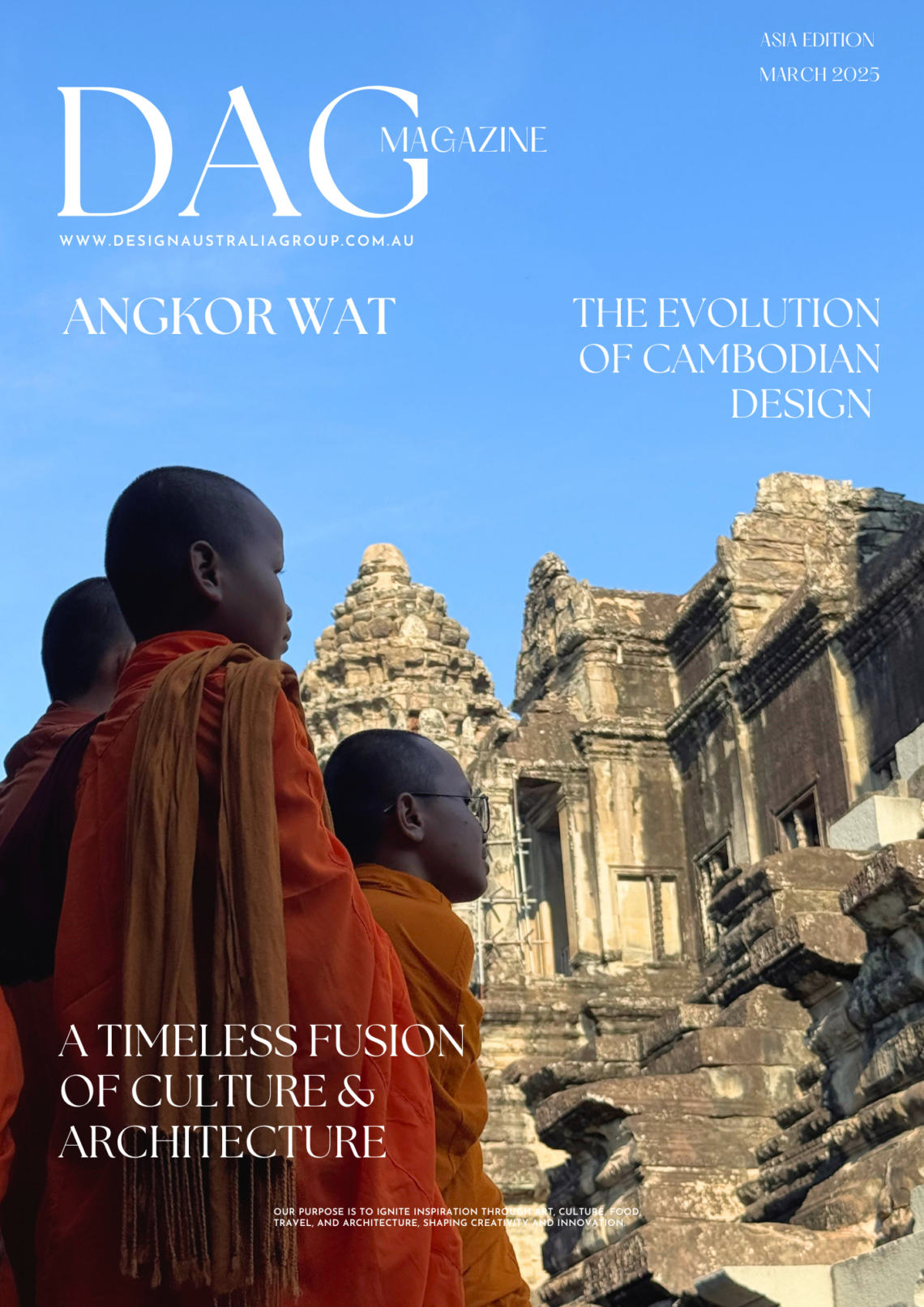
Angkor Wat: A Timeless Fusion of Culture and Architecture
Unveiling the Architectural Legacy of Cambodia
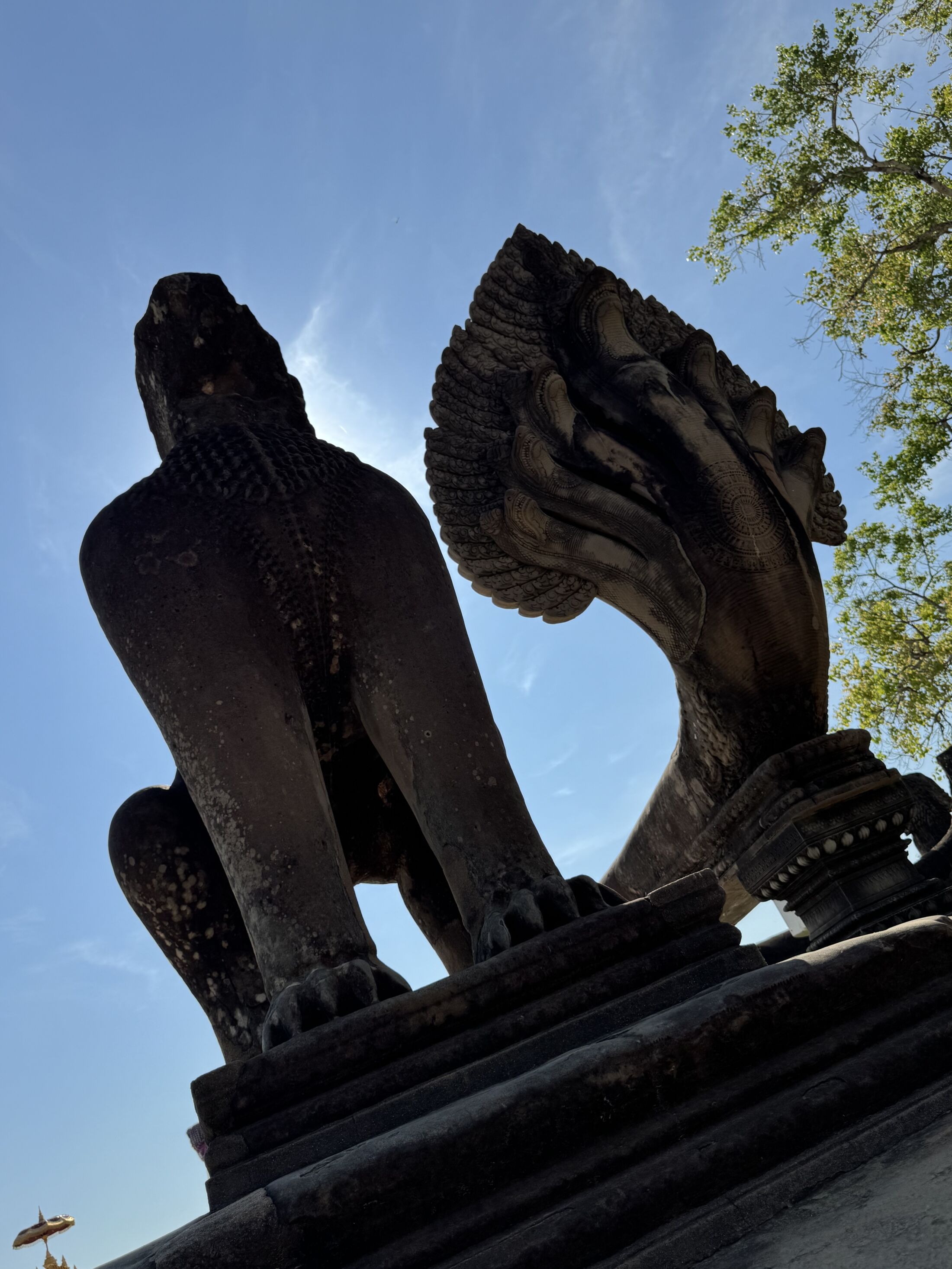
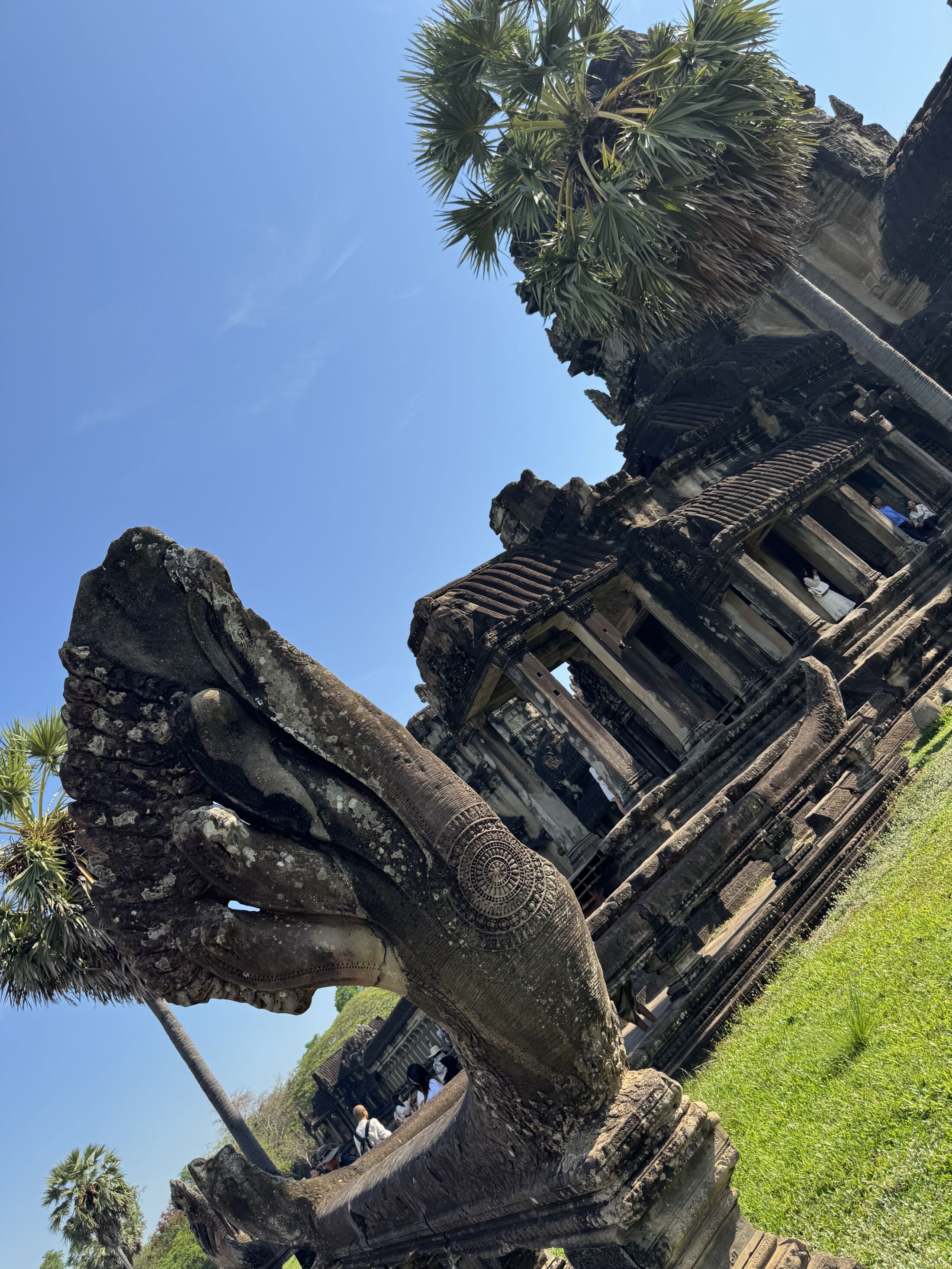
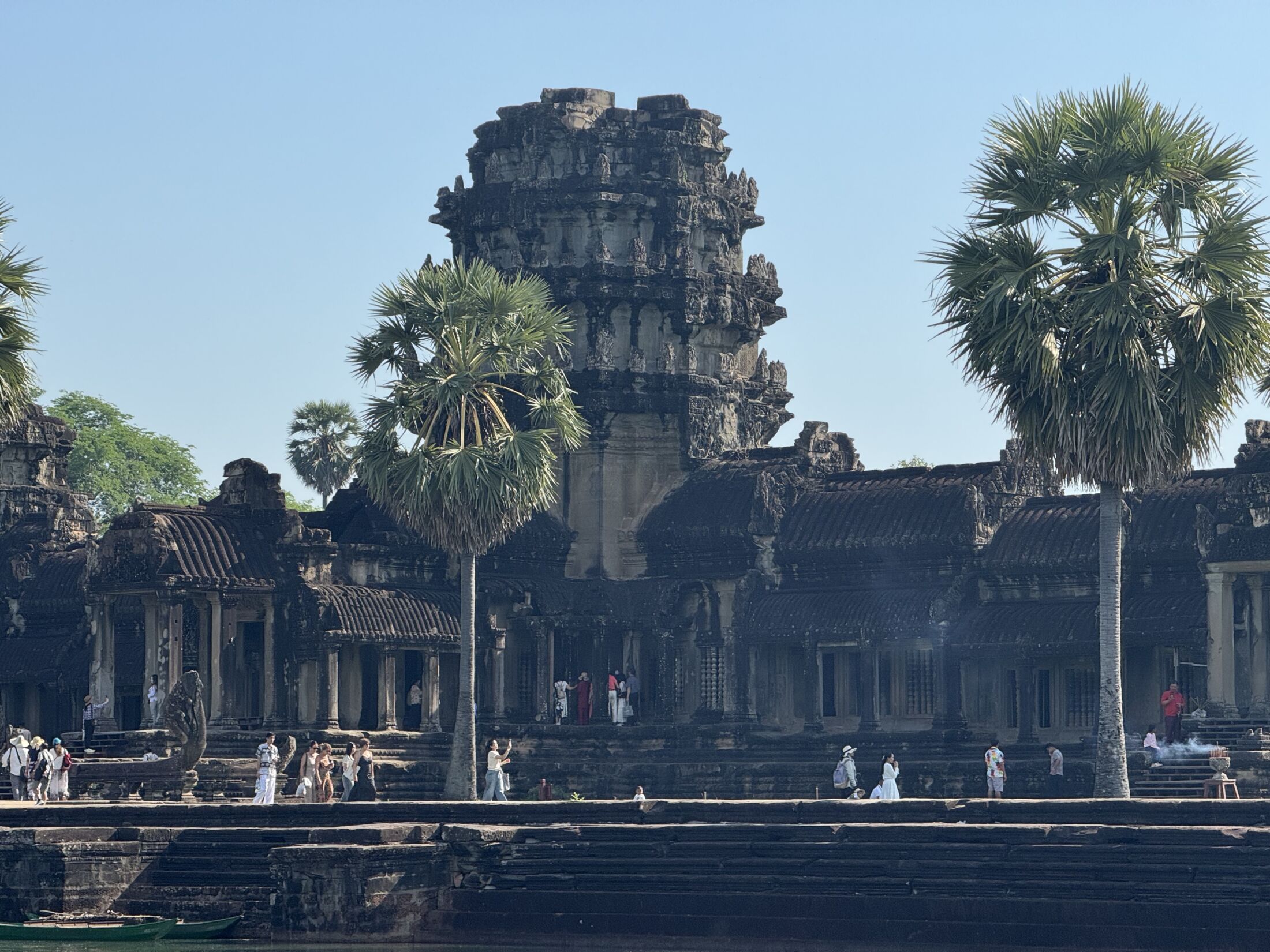
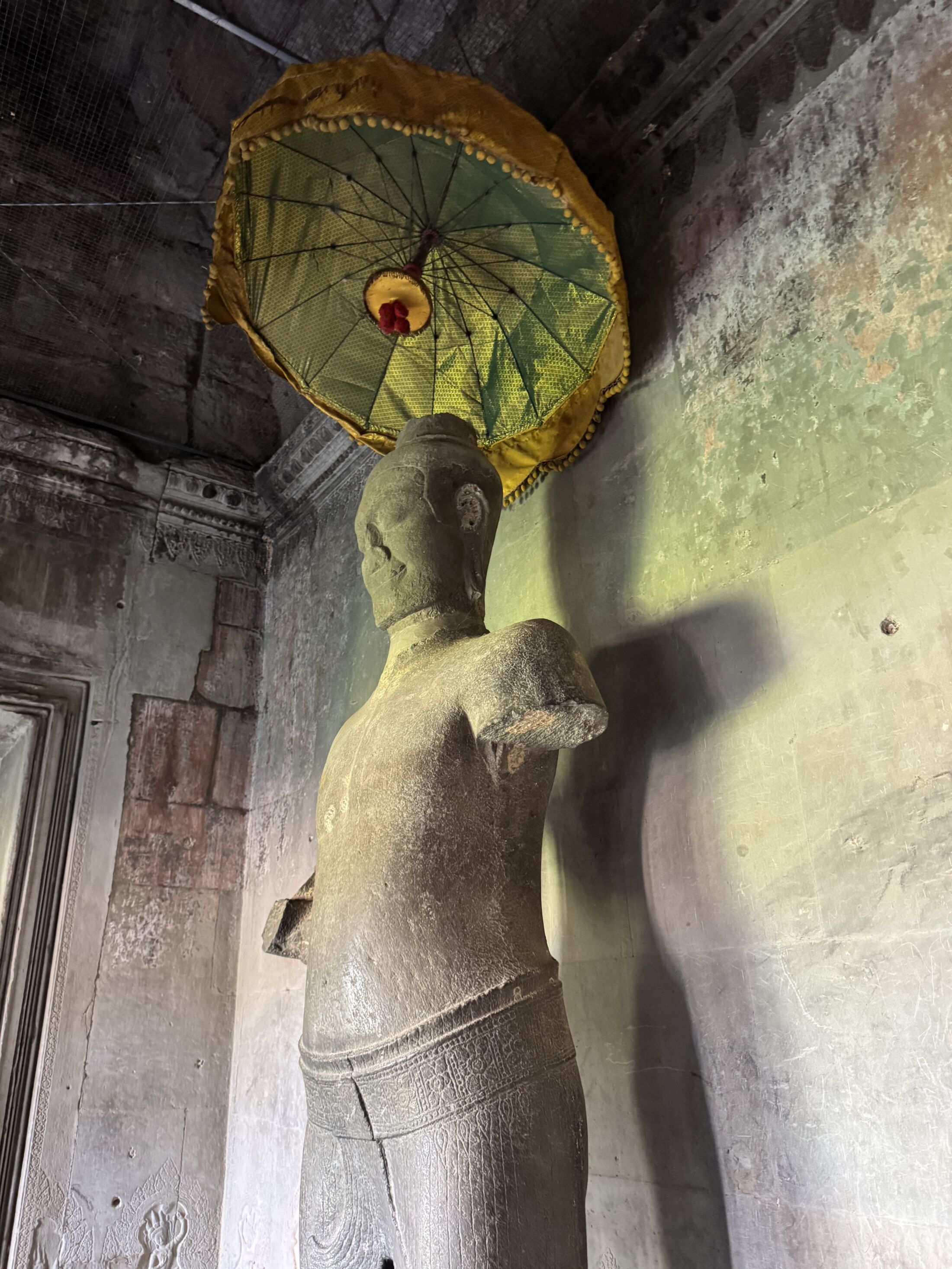
The grandeur of Angkor Wat stands as an eternal testament to Cambodia’s architectural prowess. As we embarked on our cultural and architectural tour, we sought to uncover the stories etched in the sandstone walls, the symbiosis of spirituality and design, and the ongoing evolution of the region’s built environment.
Past: The Rise of Angkor Wat
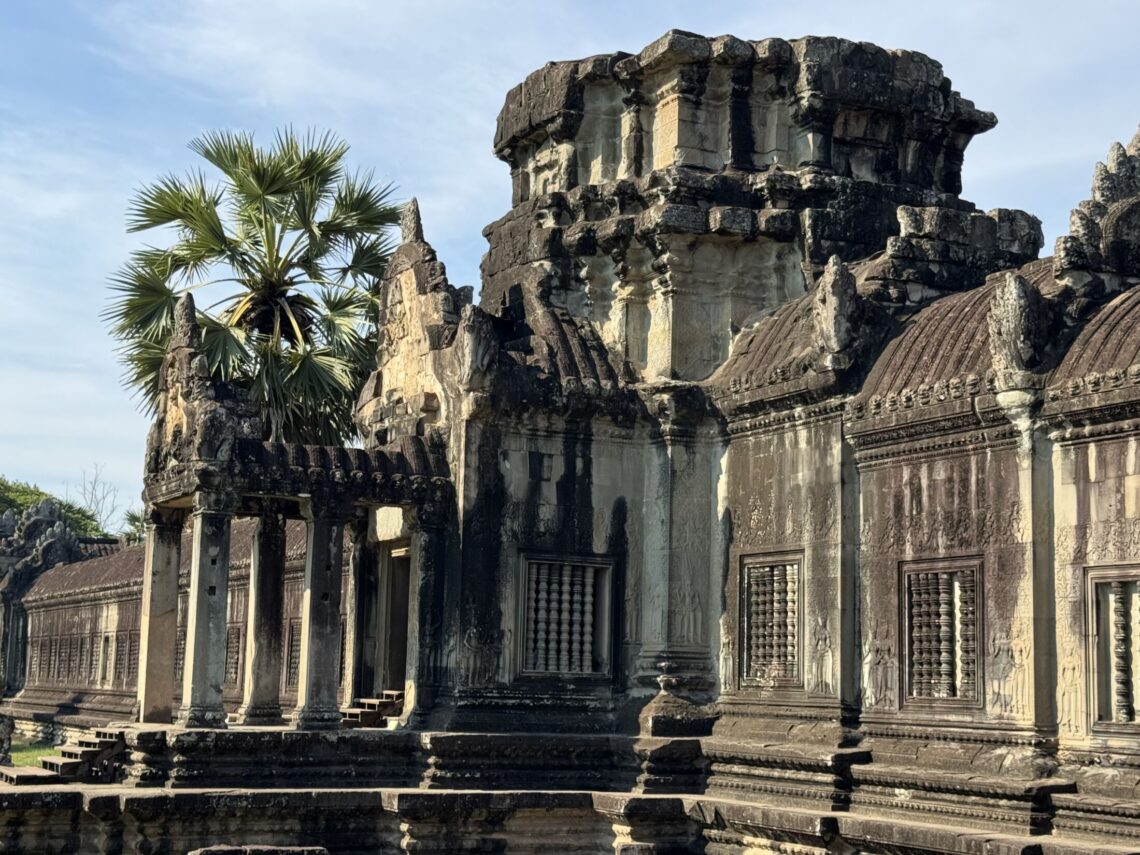
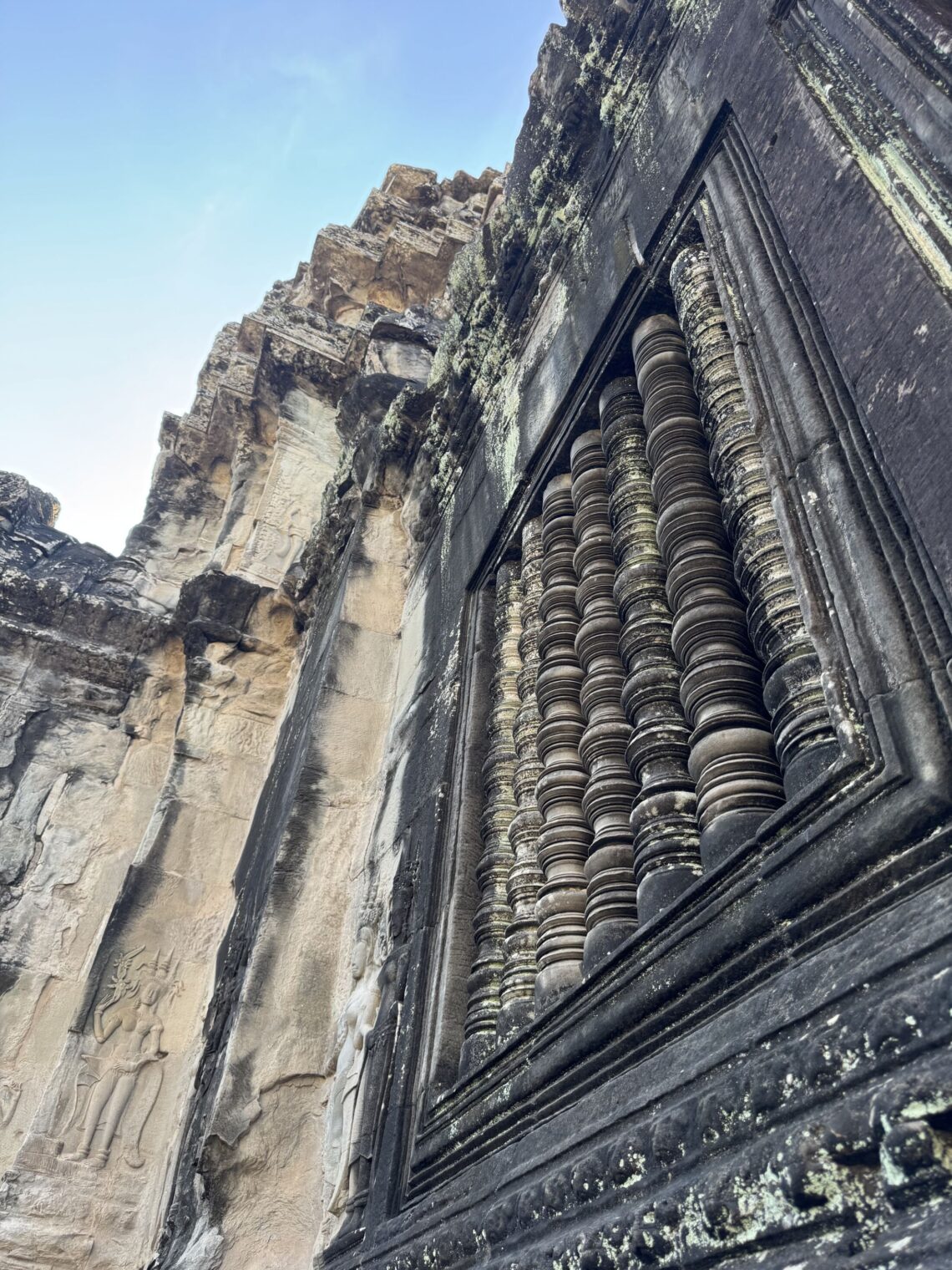
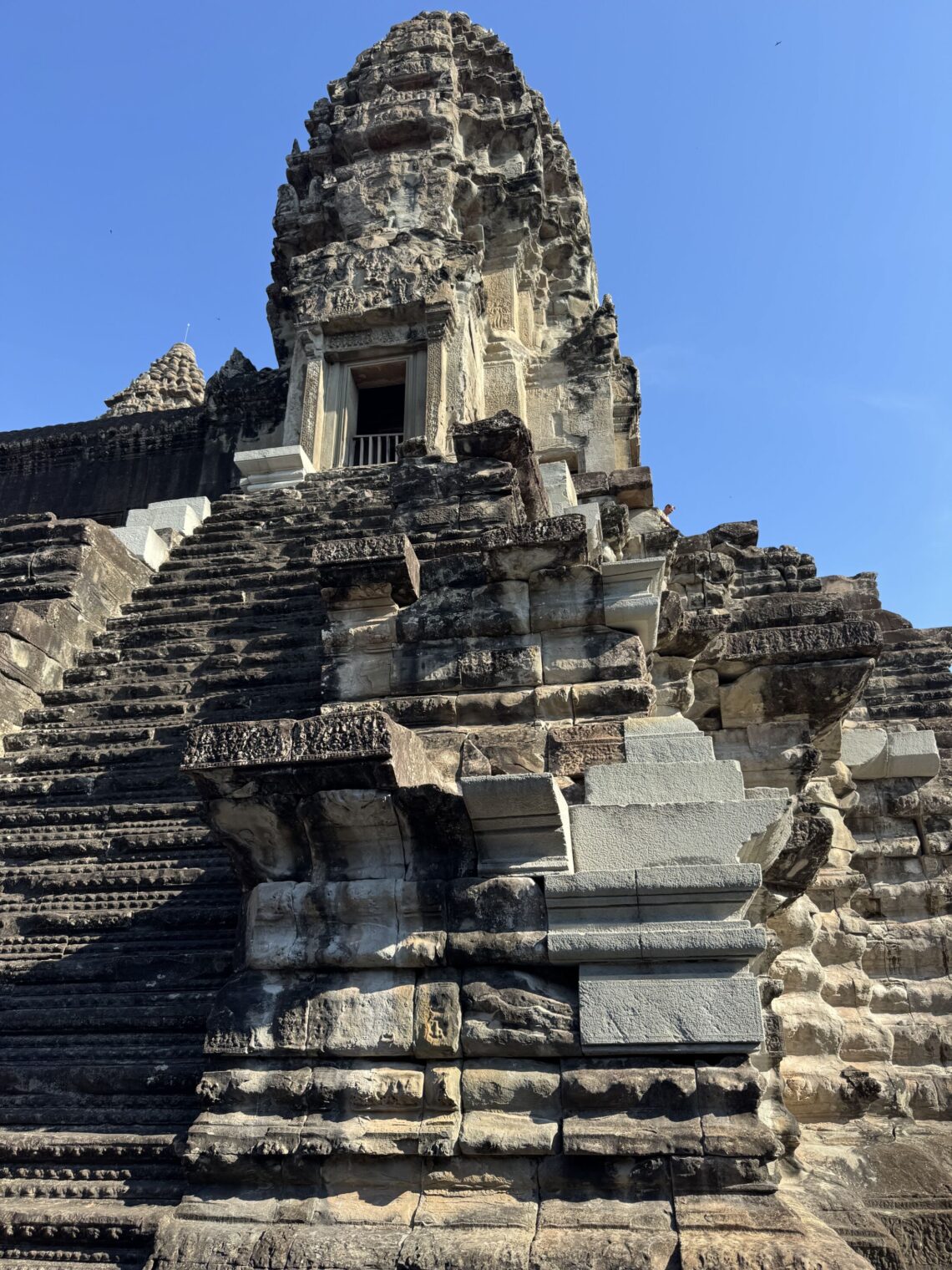
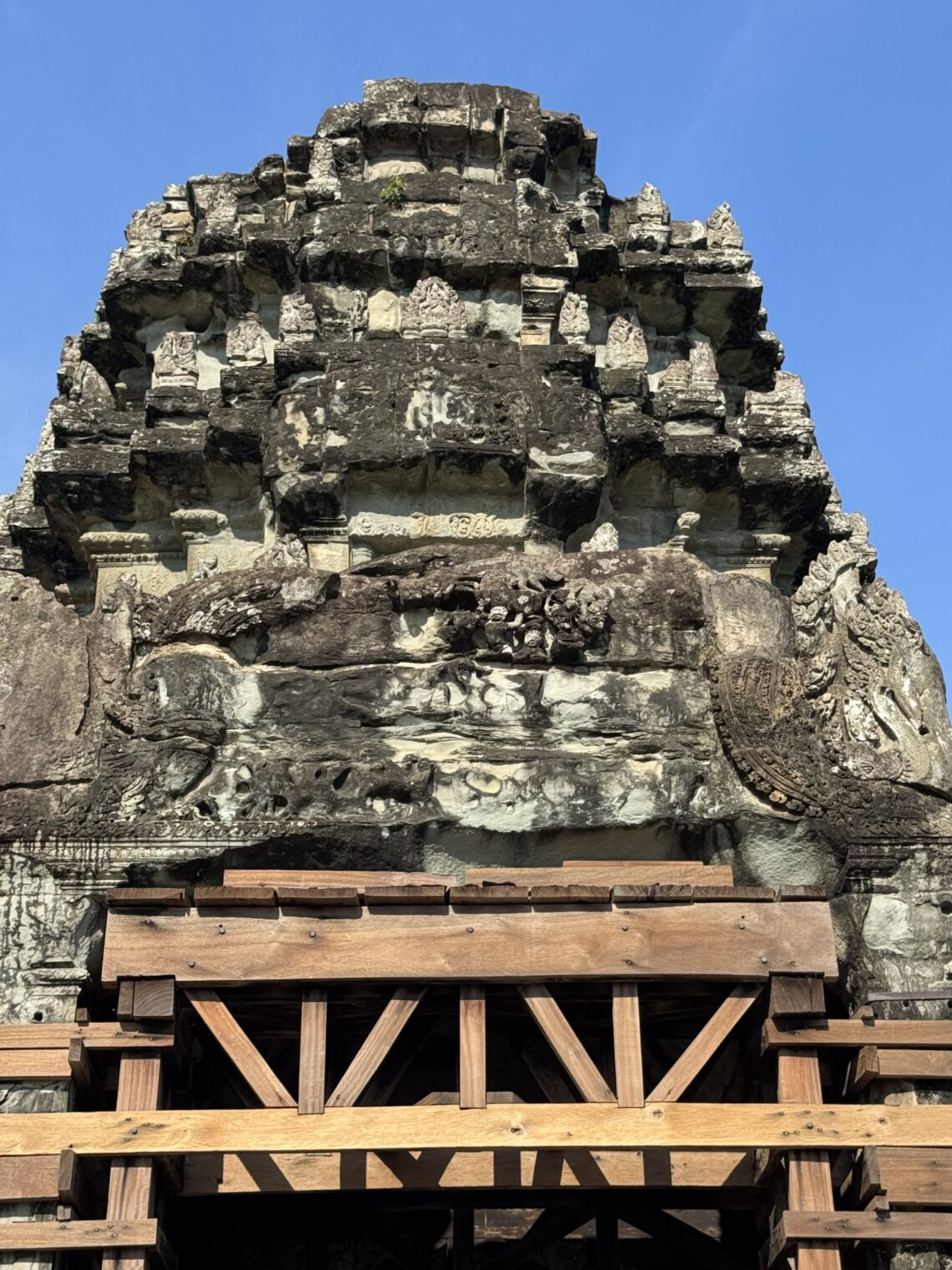
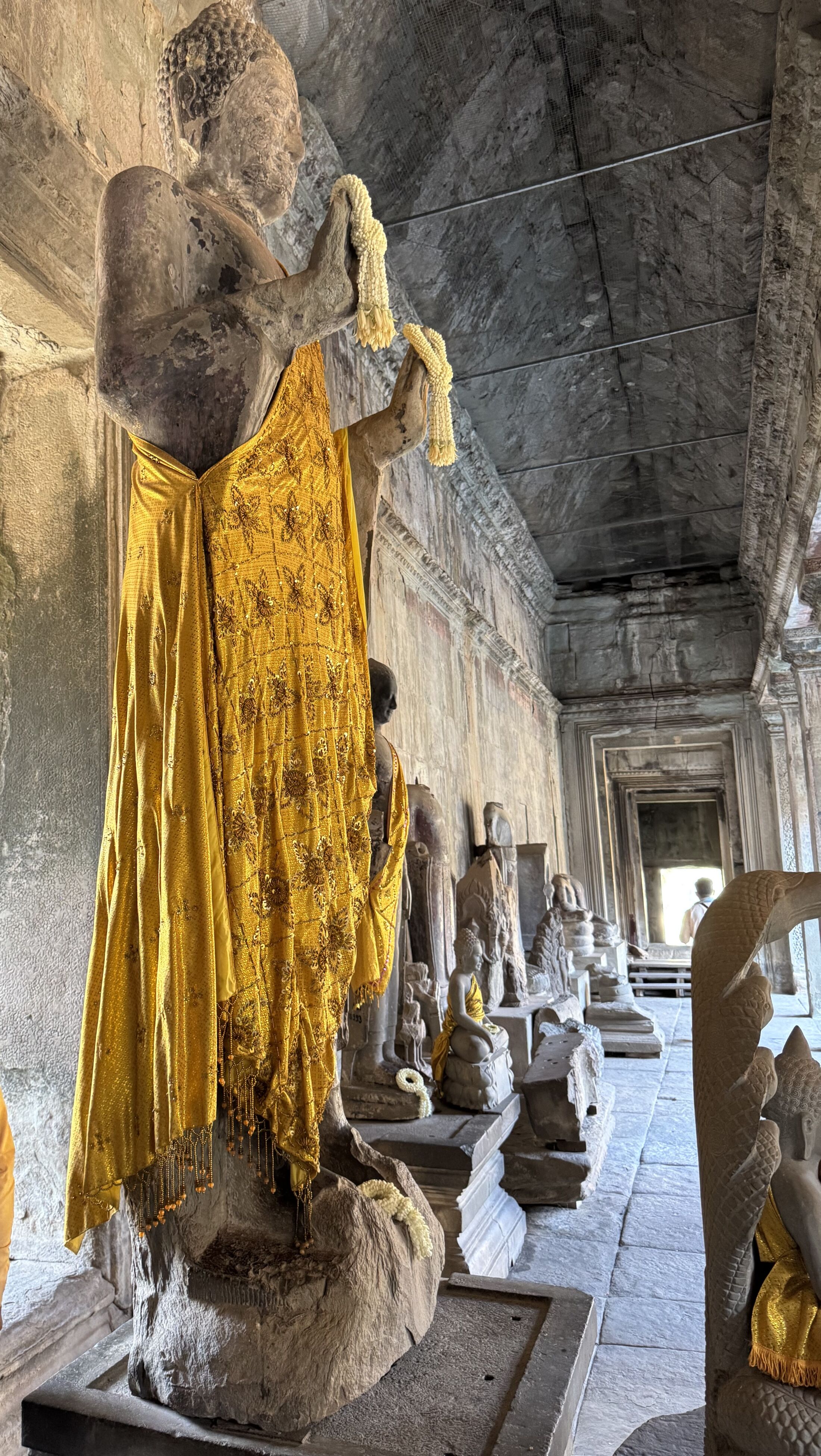
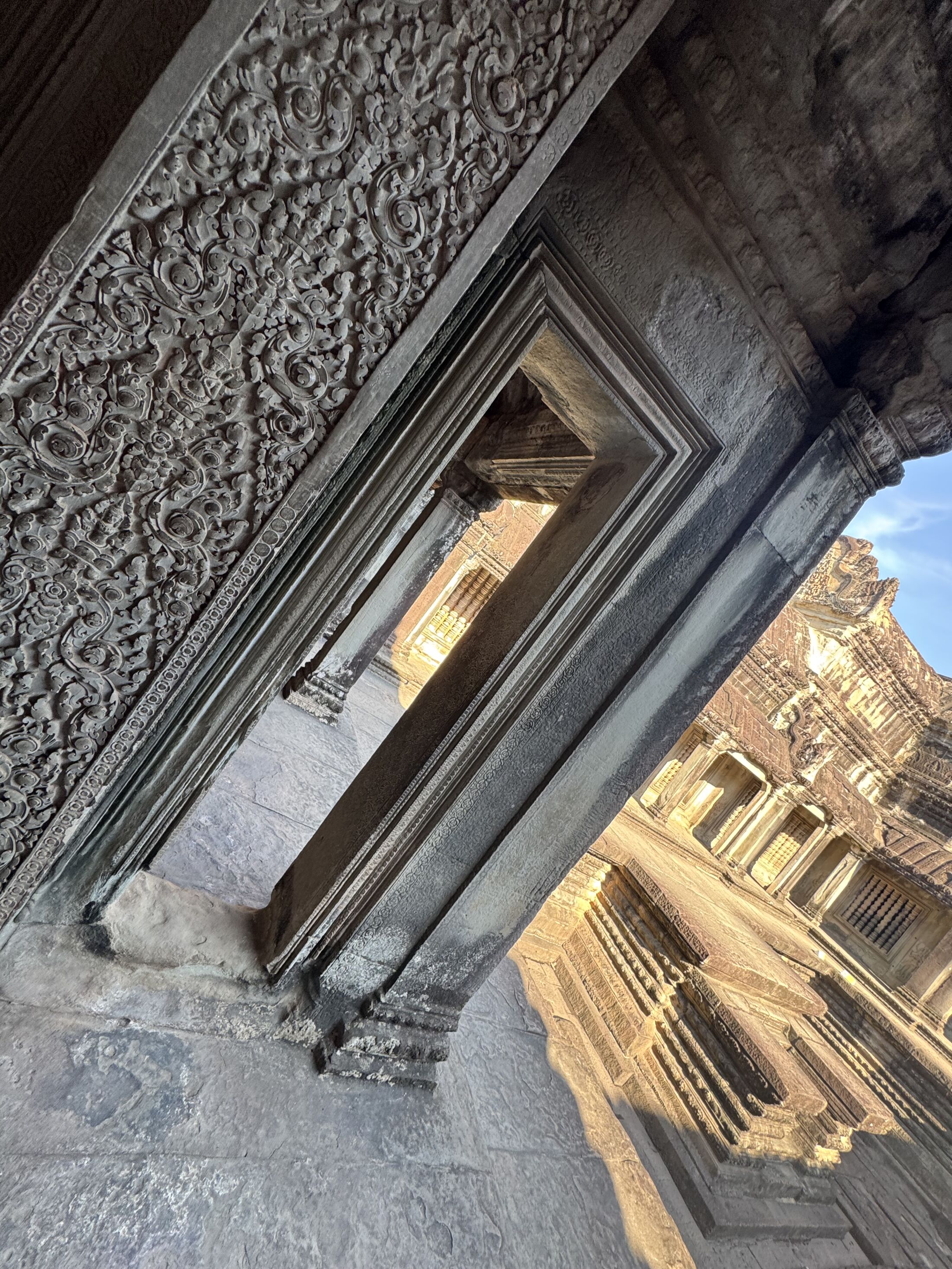
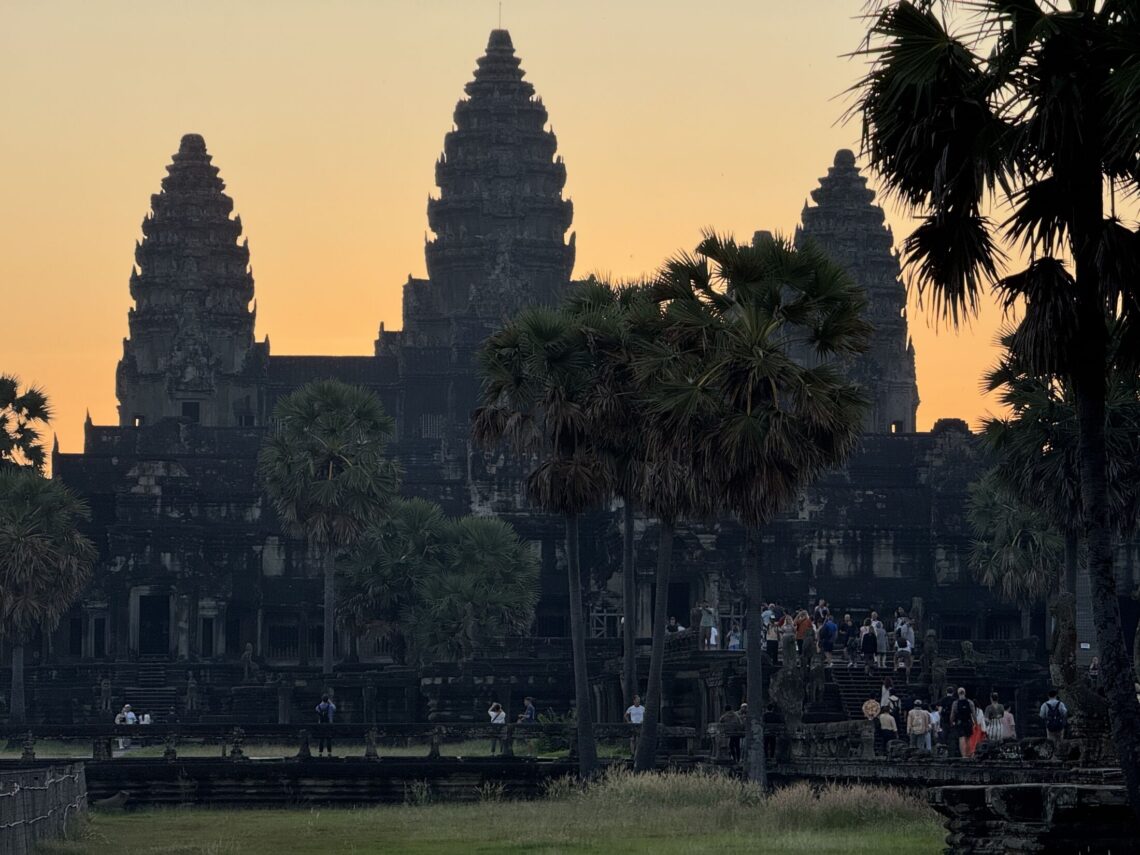
Constructed in the 12th century by King Suryavarman II, Angkor Wat is the largest religious monument in the world, originally dedicated to the Hindu god Vishnu. Its intricate bas-reliefs, harmonious proportions, and axial symmetry reflect the pinnacle of Khmer architectural achievement. The temple’s design mirrors the mythical Mount Meru, a sacred five-peaked mountain in Hindu and Buddhist cosmology, reinforcing the deep spiritual connection embedded within its layout.
Present: Preservation and Influence
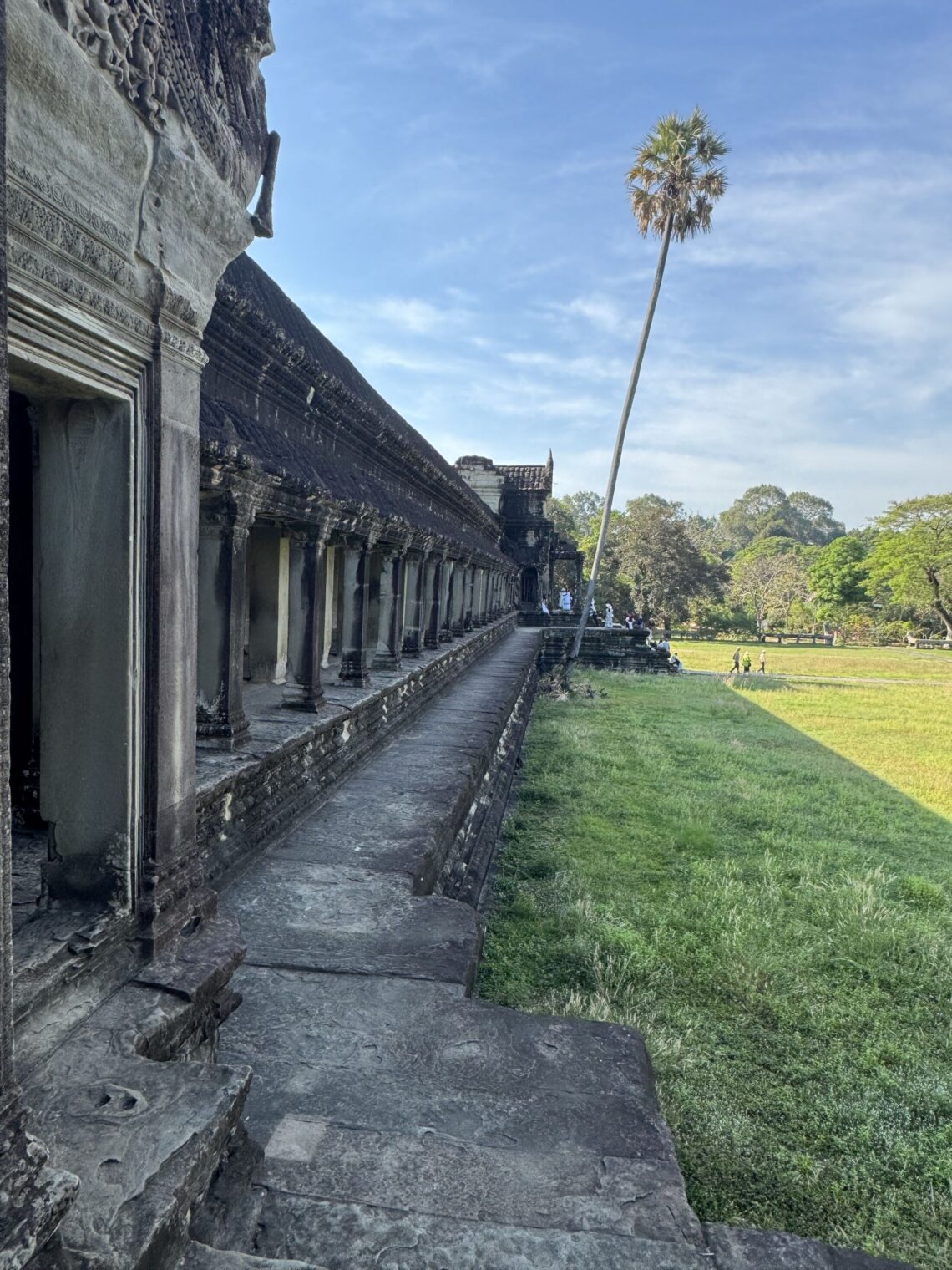
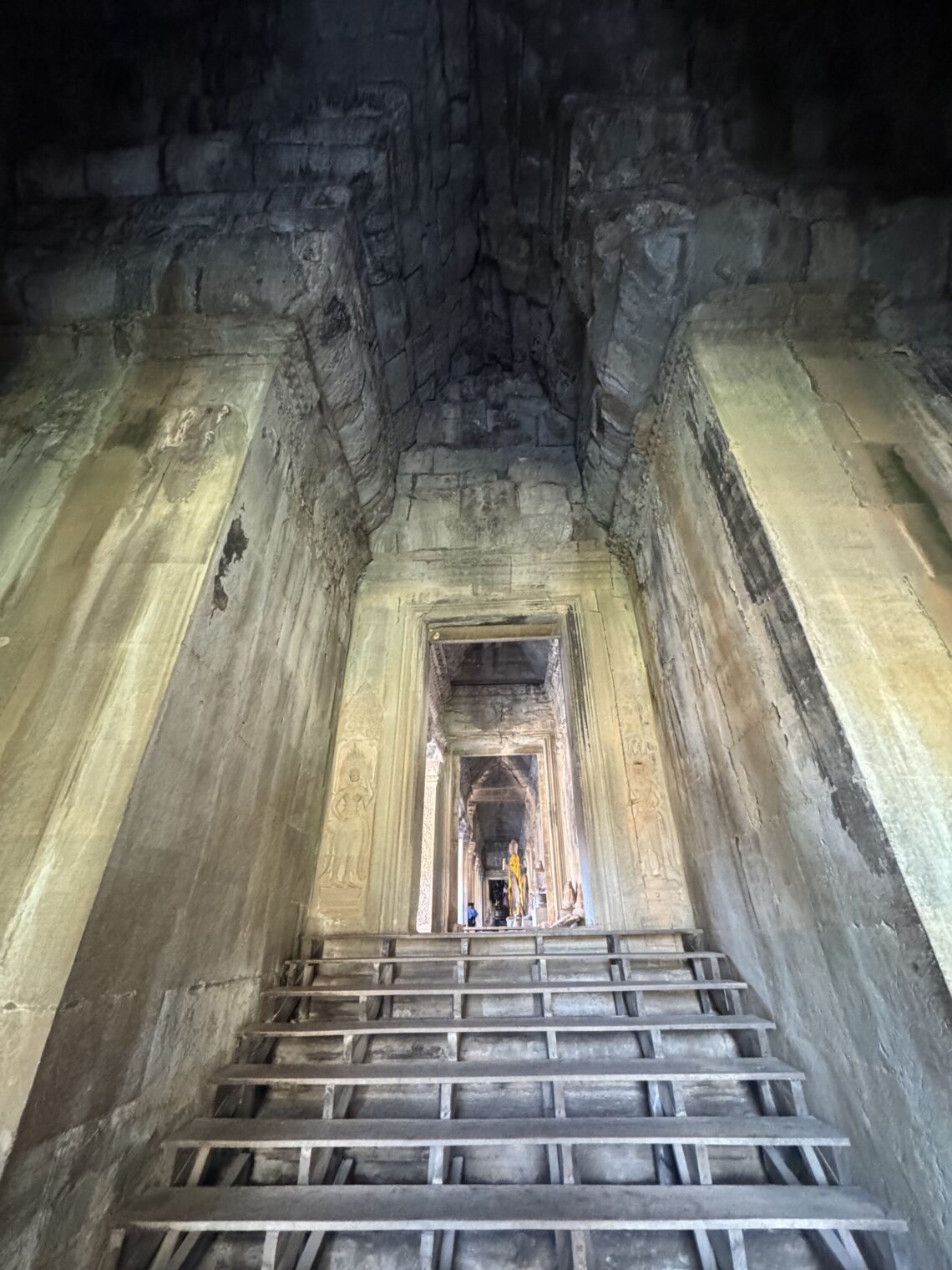
Today, Angkor Wat is more than just an ancient relic—it is a living monument. As Cambodia continues to grow, its architectural identity remains intertwined with the legacy of Angkor. The temple’s ornate stone carvings, grand galleries, and cruciform terraces have influenced contemporary design across Southeast Asia, inspiring modern interpretations in hospitality, residential, and commercial architecture.
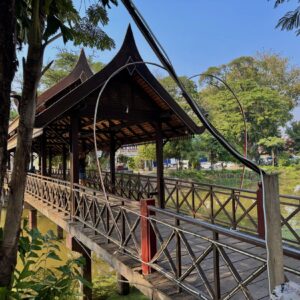
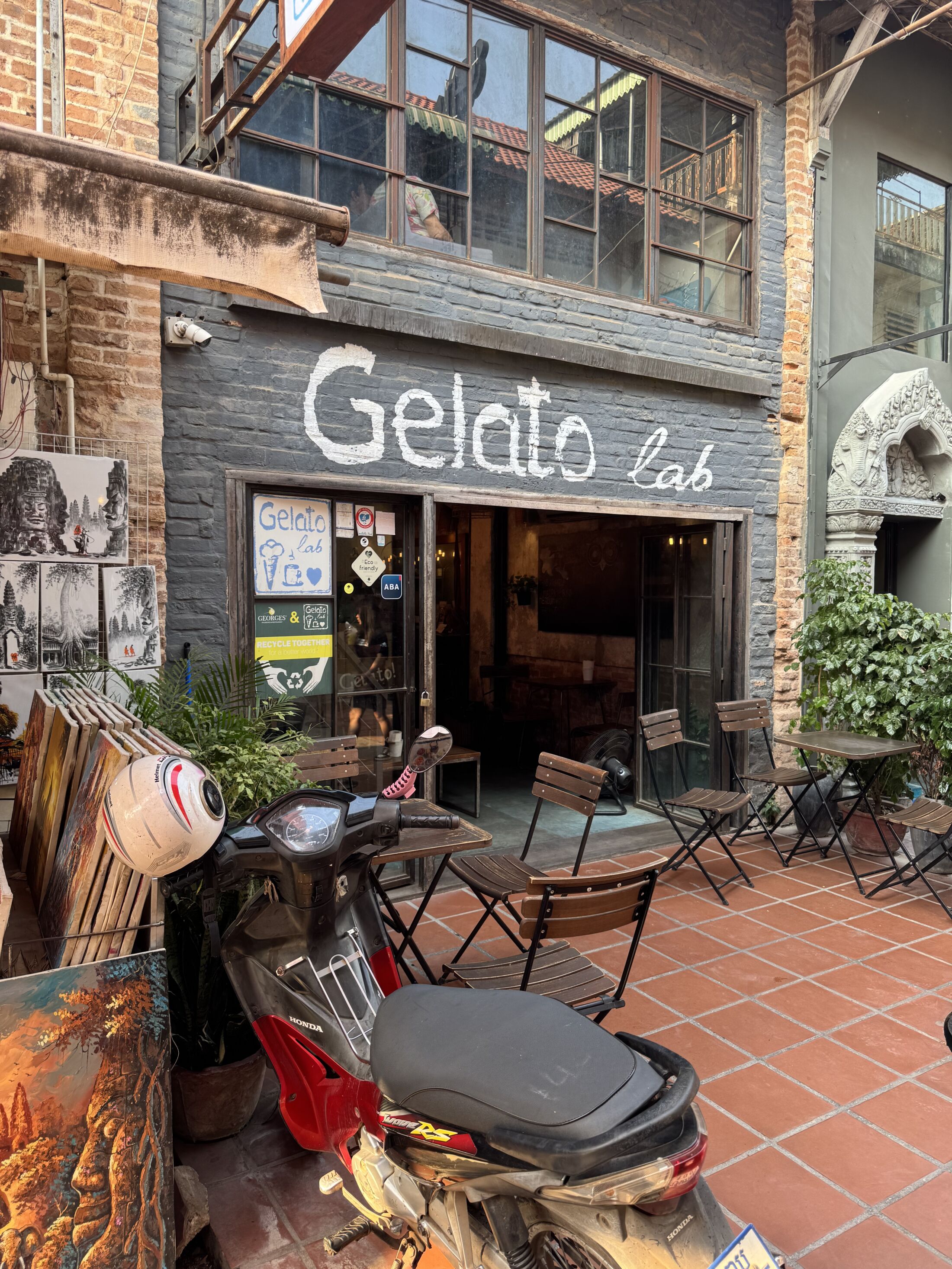
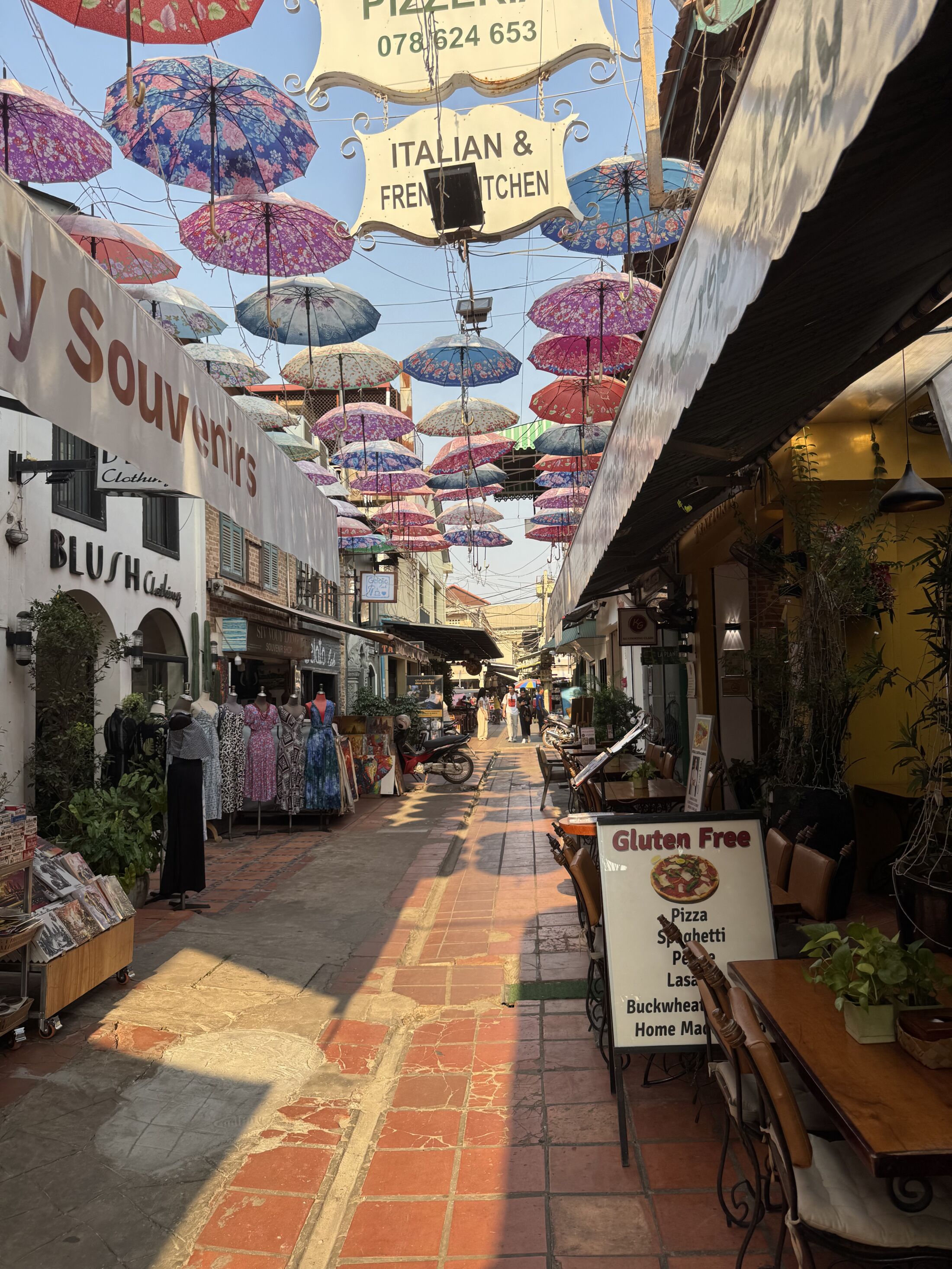
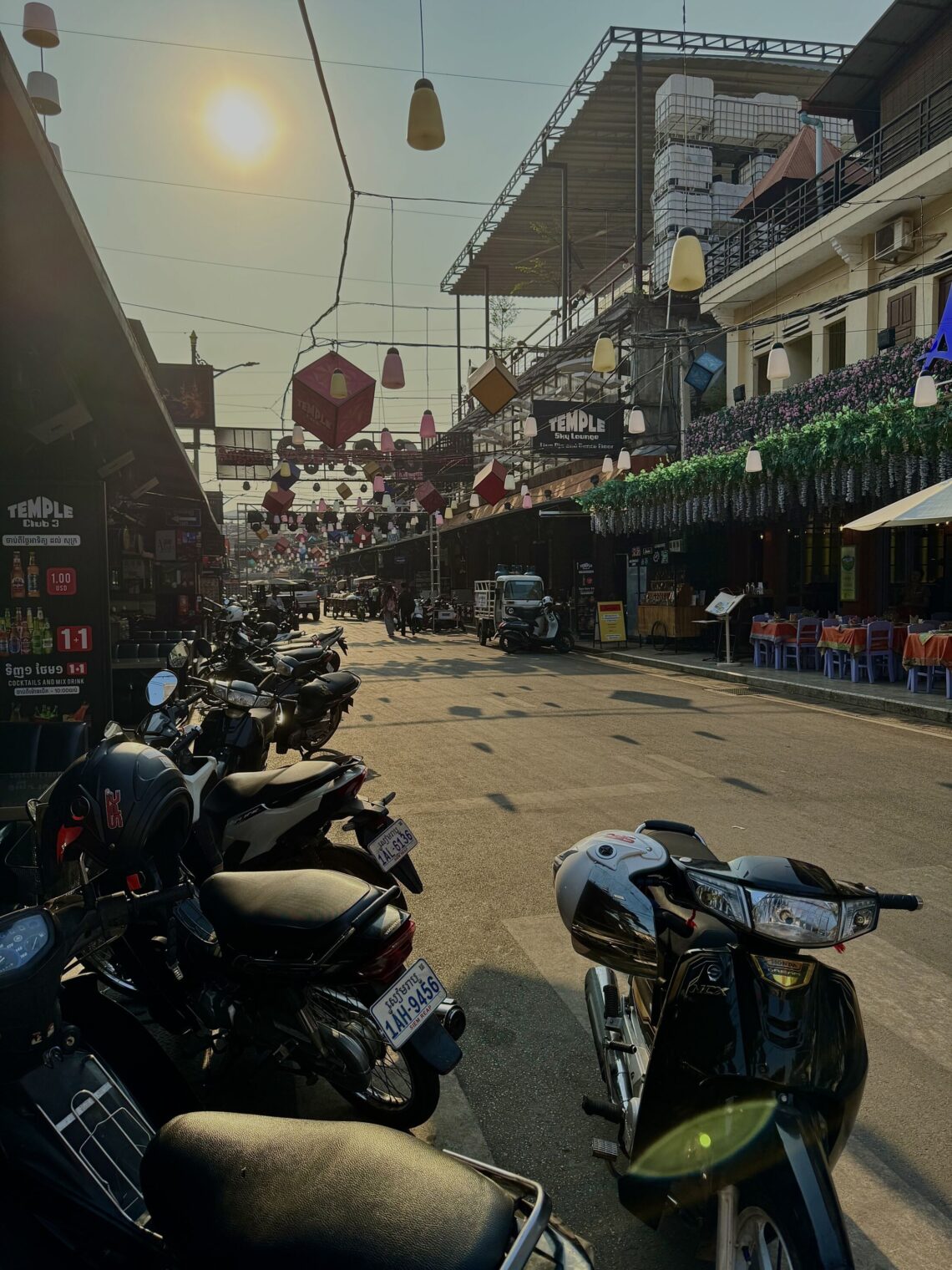
Our journey through Siem Reap uncovered a rich tapestry of local craftsmanship blended with contemporary design sensibilities. Boutique hotels, cafes, and cultural spaces integrate traditional Khmer motifs, natural materials, and open-air courtyards—an homage to the heritage of Angkor while embracing sustainable modernity.
Future: The Evolution of Cambodian Design
As Cambodia emerges as a hotspot for architectural innovation, we see a shift toward sustainable building practices that honour the past while embracing the future. From eco-conscious resorts to adaptive reuse of colonial-era buildings, architects are weaving history into the fabric of urban development. The fusion of old and new, sacred and modern, creates an evolving narrative—one that positions Cambodia as a leader in cultural architectural expression. None more so than Angkor Market, completed by UAD Architects in Siem Reap. This project exemplifies how modern design can pay homage to traditional Khmer architecture while prioritising sustainability, community engagement, and a seamless indoor-outdoor experience.
Lessons for Australian Design: A Personal Reflection
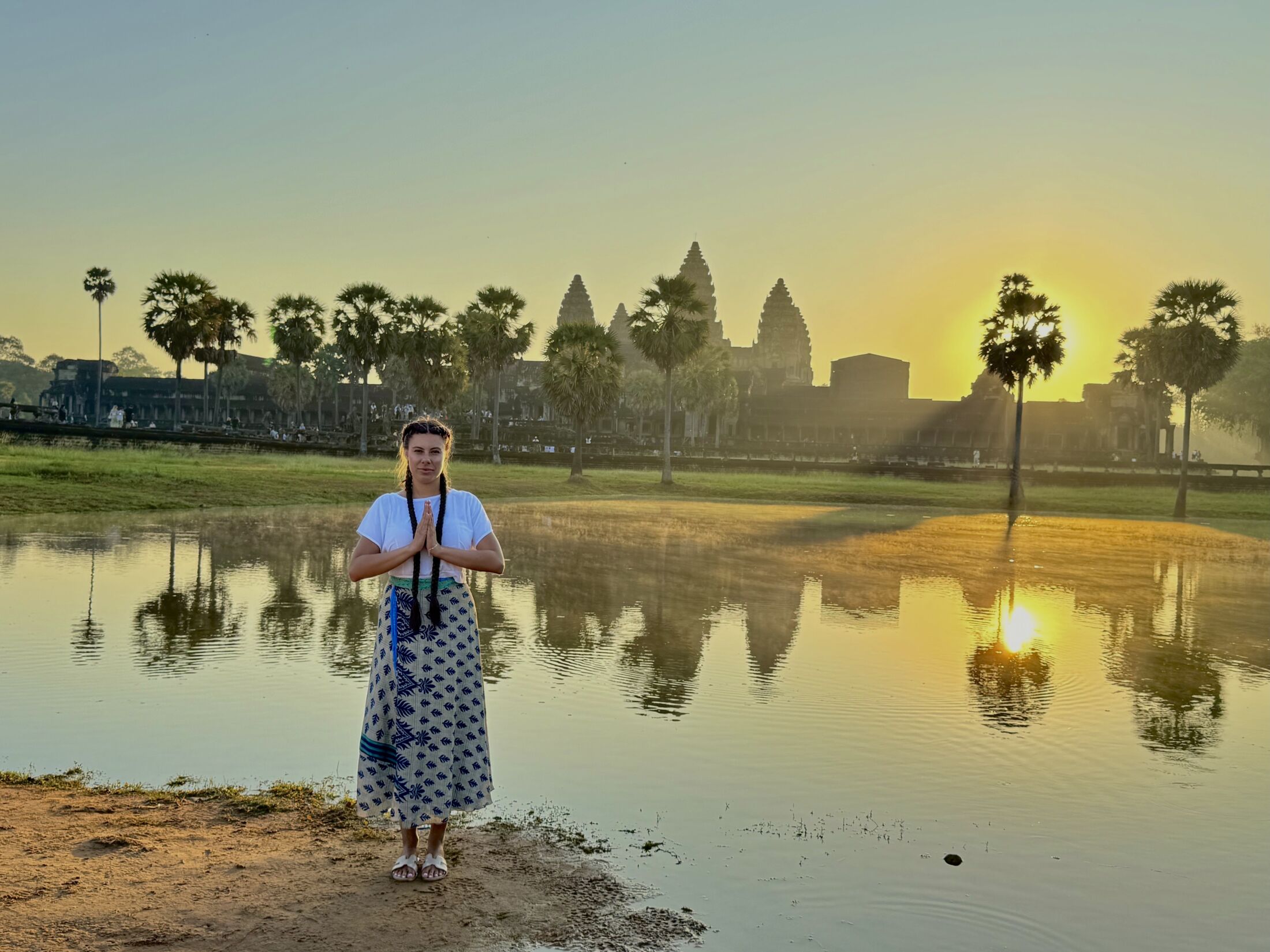
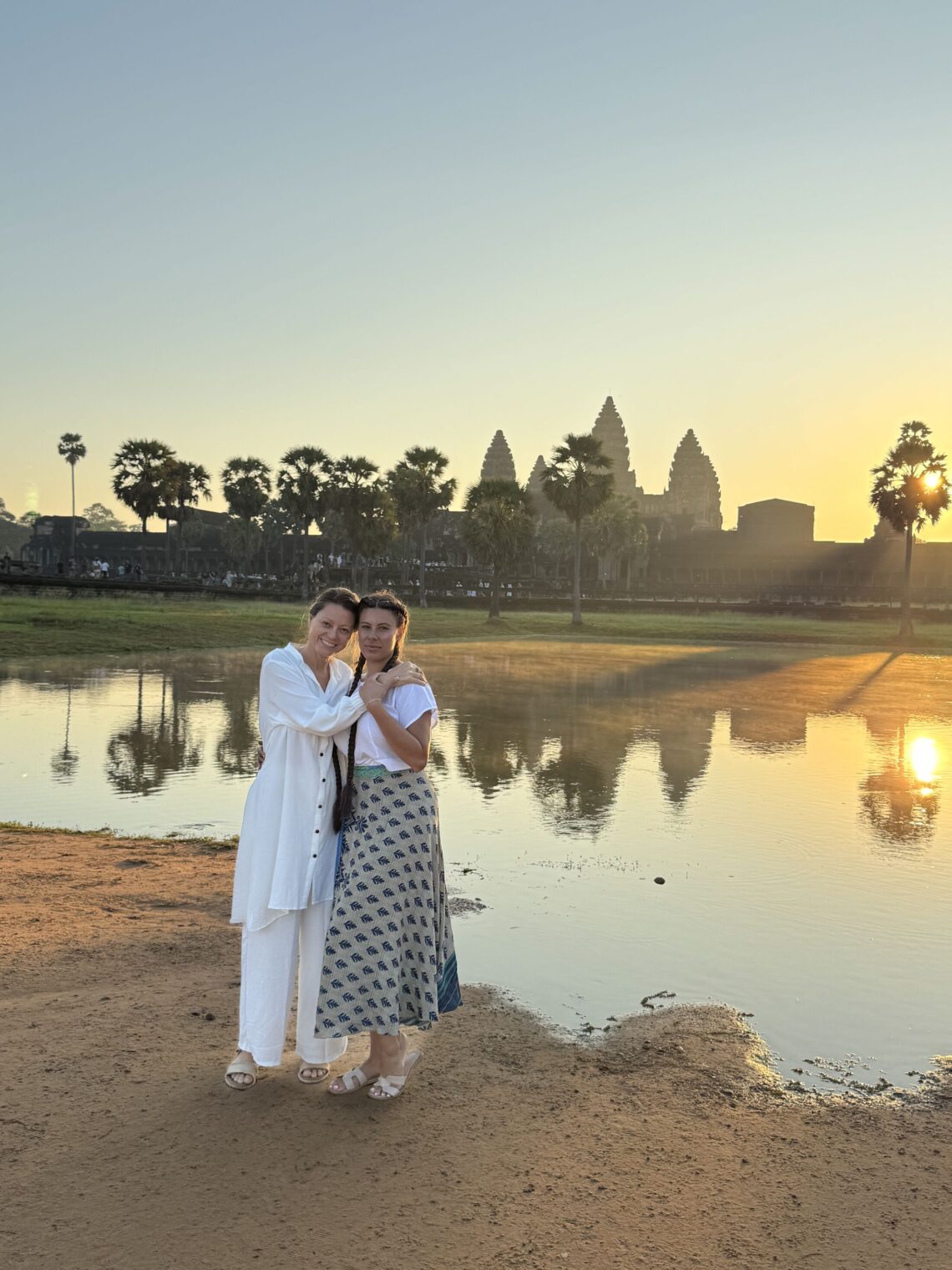
As I walked through Angkor Wat, I felt an undeniable connection between history, culture, and architecture—an approach that Australia can embrace more deeply. The careful integration of nature into design, the reverence for materials, and the commitment to storytelling through structure resonated strongly with me.
In Australia, we often prioritise efficiency and modernity, but Angkor Wat serves as a reminder that buildings should evoke emotion, tell a story, and connect people to place. At Design Australia Group, we advocate for design that is not only functional but also meaningful—structures that engage with their environment rather than dominate it.
This journey has reinforced my belief that great design is not just about aesthetics; it’s about legacy, experience, and respect for history. As we shape the future of Australian residential and commercial design, we must look beyond trends and embrace principles that have endured for centuries. Angkor Wat has shown me that the best architecture is timeless, and that’s a philosophy I want to bring home to Australia.